
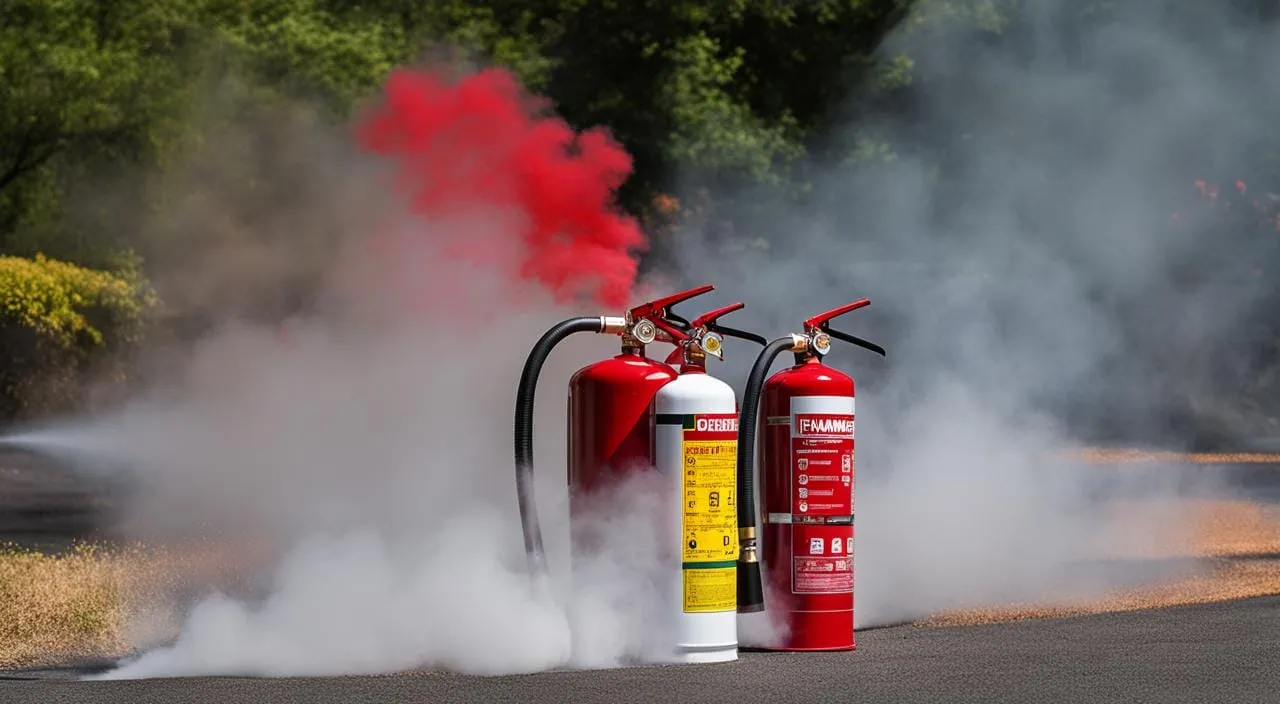
Class B fires involve flammable liquids and gases, including gasoline, alcohol, oil-based paints, lacquers, propane, and natural gas. These fires require specialized extinguishing methods and equipment to prevent them from spreading or reigniting.
Understanding Class B fires is critical because they pose unique hazards that differ from ordinary combustible fires. Unlike Class A fires involving wood or paper, Class B fires can spread rapidly through vapor ignition and are not safe to extinguish with water.
Selecting the Right Fire Extinguisher for Class B Fires
Two primary types of fire extinguishers are suitable for Class B fires, according to safety guidelines. The first is dry chemical extinguishers, which use foam or powder to cool and smother flames. The foam cools the fire while the powder creates a barrier that starves the fire of oxygen.
The second type is carbon dioxide (CO2) extinguishers. These work by displacing the oxygen surrounding the fire, effectively suffocating it. Carbon dioxide extinguishers are particularly effective for fires involving flammable gases, according to fire safety experts.
When using a fire extinguisher for a Class B fire, aim the nozzle at the base of the flame where the fuel source is located. Reading and understanding the instructions provided with the extinguisher is essential for safe use, experts advise.
Safety Measures for Preventing Class B Fires
Preventing Class B fires starts with proper storage. Flammable liquids and gases should be kept in designated containers made of non-combustible materials and placed in well-ventilated areas. Adequate ventilation prevents the buildup of flammable vapors that can ignite when exposed to a spark or heat source.
Open flames or sparks must be avoided in areas where flammable substances are present, according to fire safety guidance. Even a small spark can ignite flammable vapors or liquids. Intrinsically safe tools and equipment designed for use in flammable environments should be used instead.
Educating yourself and others on the safe handling and storage of flammable liquids and gases is paramount for preventing fires. Everyone in the vicinity should understand the risks and know the correct procedures to follow in case of a fire, including proper fire extinguisher use.
Following these precautions can minimize the risk of accidents and help prevent the spread of fire in workplaces, homes, and other environments where flammable substances are used or stored.