Essential Fire Extinguisher Safety Tips for Boat Owners
Fire safety is paramount on any boat, and having the right fire extinguisher storage is crucial for quick access during emergencies. According to USCG regulations, fire extinguishers should be stored
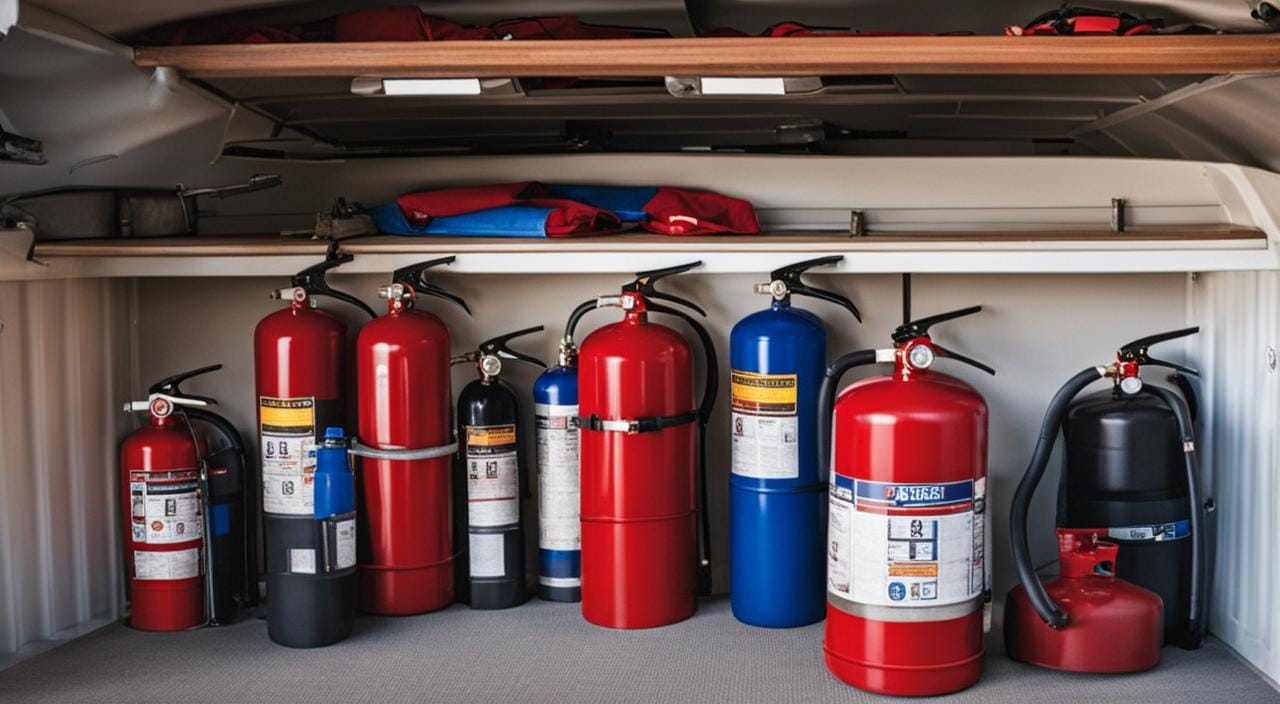
Essential Fire Extinguisher Safety Tips for Boat Owners
Fire safety is paramount on any boat, and having the right fire extinguisher storage is crucial for quick access during emergencies. According to USCG regulations, fire extinguishers should be stored in easily accessible areas, away from potential fire hazards such as the engine or fuel containers.
High-traffic areas like the cabin, kitchen, or bilge are suitable spots for storing fire extinguishers. To ensure easy access, it is recommended to place the extinguisher next to the door if stored in rooms with flammable materials.
Choosing the right type of fire extinguisher for your boat is also important. The USCG's regulations outline different fire extinguisher ratings required for boats manufactured in different years. Regular maintenance, including monthly checks and proper storage, is necessary to ensure the fire extinguishers are always in good working condition.
https://youtu.be/Mj0bFyfWV08
Why Boats Need Fire Extinguishers
Although fire incidents may not be the most common boating accidents, they can have severe consequences due to the presence of flammable materials on a boat. In the United States, there were reported 5,265 boating accidents in 2020, with 47 of them involving fires.
Boat fires can spread rapidly and escalate into uncontrollable situations, potentially leading to the loss of the boat, injuries, or even fatalities. Therefore, having fire extinguishers on board is of utmost importance to contain and extinguish fires quickly.
Fire safety precautions on boats are crucial to safeguarding yourself and your shipmates while enjoying your nautical adventures.
Fire incidents can occur due to various reasons, including electrical failures, fuel leaks, improper use of cooking equipment, or even negligence. In such situations, having readily accessible fire extinguishers can make a critical difference, allowing you to respond promptly and effectively to tackle the fire before it becomes unmanageable.
By equipping your boat with fire extinguishers and practicing boating safety precautions, you can significantly reduce the risk of fire-related accidents. Regularly inspecting and maintaining the fire extinguishers, as well as ensuring that they are stored in suitable locations, will enhance their effectiveness during emergencies.
It is always better to be prepared and have the necessary safety measures in place, rather than facing the devastating consequences of a boat fire.
Regulations for Fire Extinguisher Location and Requirements on Boats
When it comes to fire safety on boats, the United States Coast Guard (USCG) has established strict regulations regarding the location and requirements for fire extinguishers on board. These regulations ensure that boat owners are adequately prepared to handle fire emergencies and protect themselves and their passengers.
While the USCG does not mandate specific locations for fire extinguisher storage, it emphasizes that they should be easily accessible. This means fire extinguishers should be placed in areas that are readily reachable during an emergency, ensuring a swift response to contain and extinguish fires.
The number and type of fire extinguishers required on a boat depend on its size and features. For boats under 26 feet in length, at least one B-I extinguisher is necessary. Vessels between 26 and 40 feet must have either two B-I extinguishers or one B-II extinguisher. It's important to note that the age of the extinguishers is also a factor, as disposable ones older than 12 years must be replaced.
By familiarizing themselves with these regulations, boat owners can ensure compliance and enhance safety on their vessels. Adhering to proper fire safety practices can significantly reduce the risk of fire incidents and protect both lives and property while out on the water.
In an emergency involving a fire, it is crucial to know who should deploy the fire extinguisher to ensure the safety of individuals and minimize further damage . Trained employees or individuals who h
Debris removal after a house fire is an essential step in the recovery process. Homeowners' insurance policies typically cover the cost of debris removal as part of their coverage for fire damage. Thi
White goods play a crucial role in our daily lives, making household chores easier and more efficient. However, it's important to be aware of the potential hazards they can pose. Certain white goods,
A deluge system and a sprinkler system are both vital components of fire protection in hazard installations . Understanding their differences and benefits is crucial for ensuring the safety of people